How “All We Have Is Us” was born
2020: The spark in Chile
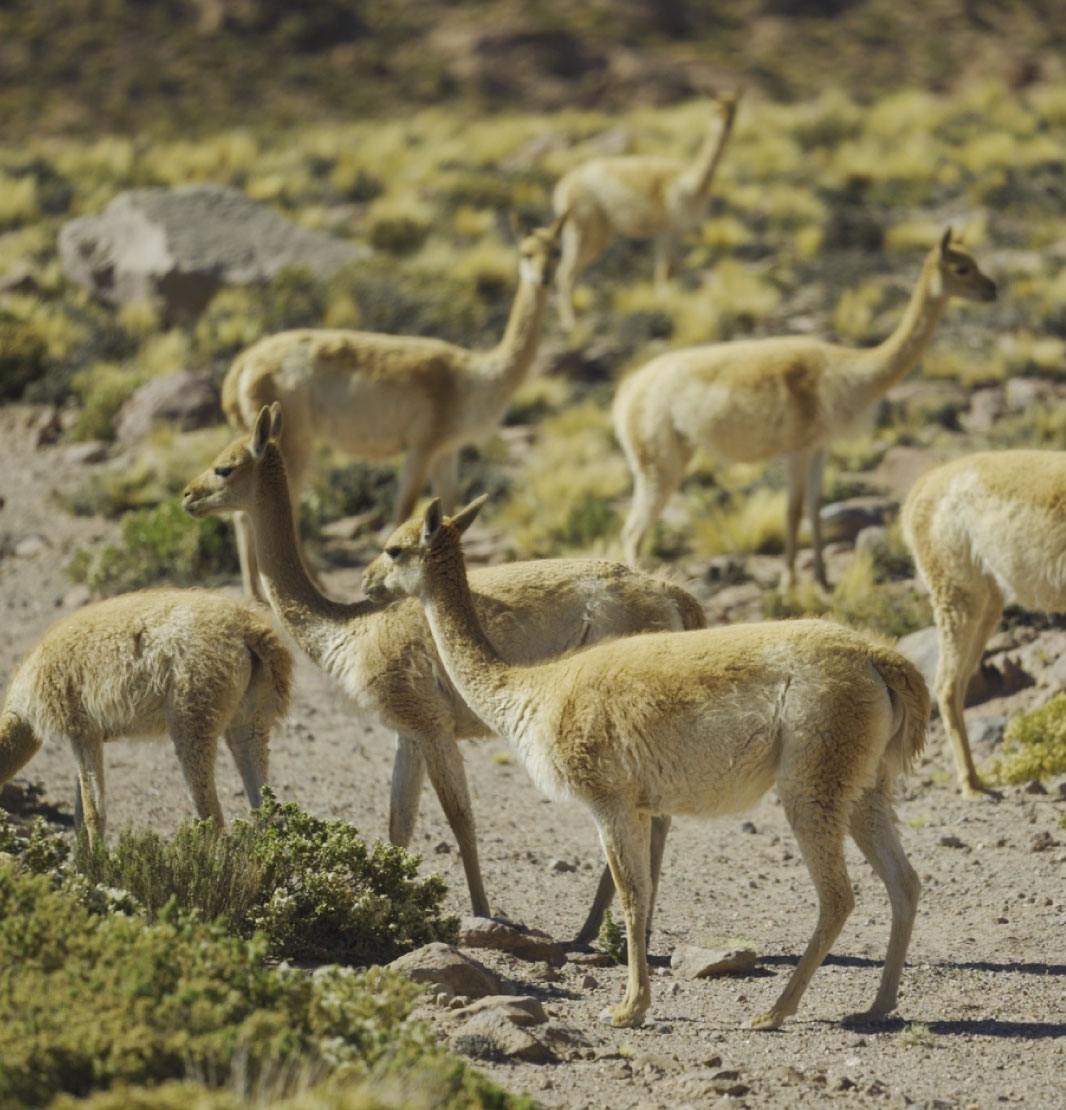
Our journey began in 2020 in San Pedro de Atacama, Chile, during the development of “Formando Rutas” (an educational project for youth in sacrifice zones). There we met Ramón Balcázar. We were deeply impressed by his passion for showing that the Atacama Desert is not a sterile wasteland to be exploited by lithium mining companies, but rather a vibrant ecosystem—an extension of the people who inhabit it. Our friendship has endured ever since.
2021: The Chilean-Serbian connection
However, the spark for All We Have Is Us arose in 2021, when Leyla welcomed us into her home and told us about her town, Belén, in the Andean highlands. She shared how her community had stopped a Rio Tinto mining project. Ramón had already connected with communities in Serbia facing the exact same struggle against Rio Tinto and we realized that an emerging story of solidarity could to be told.
2022-2023: A global alliance is born
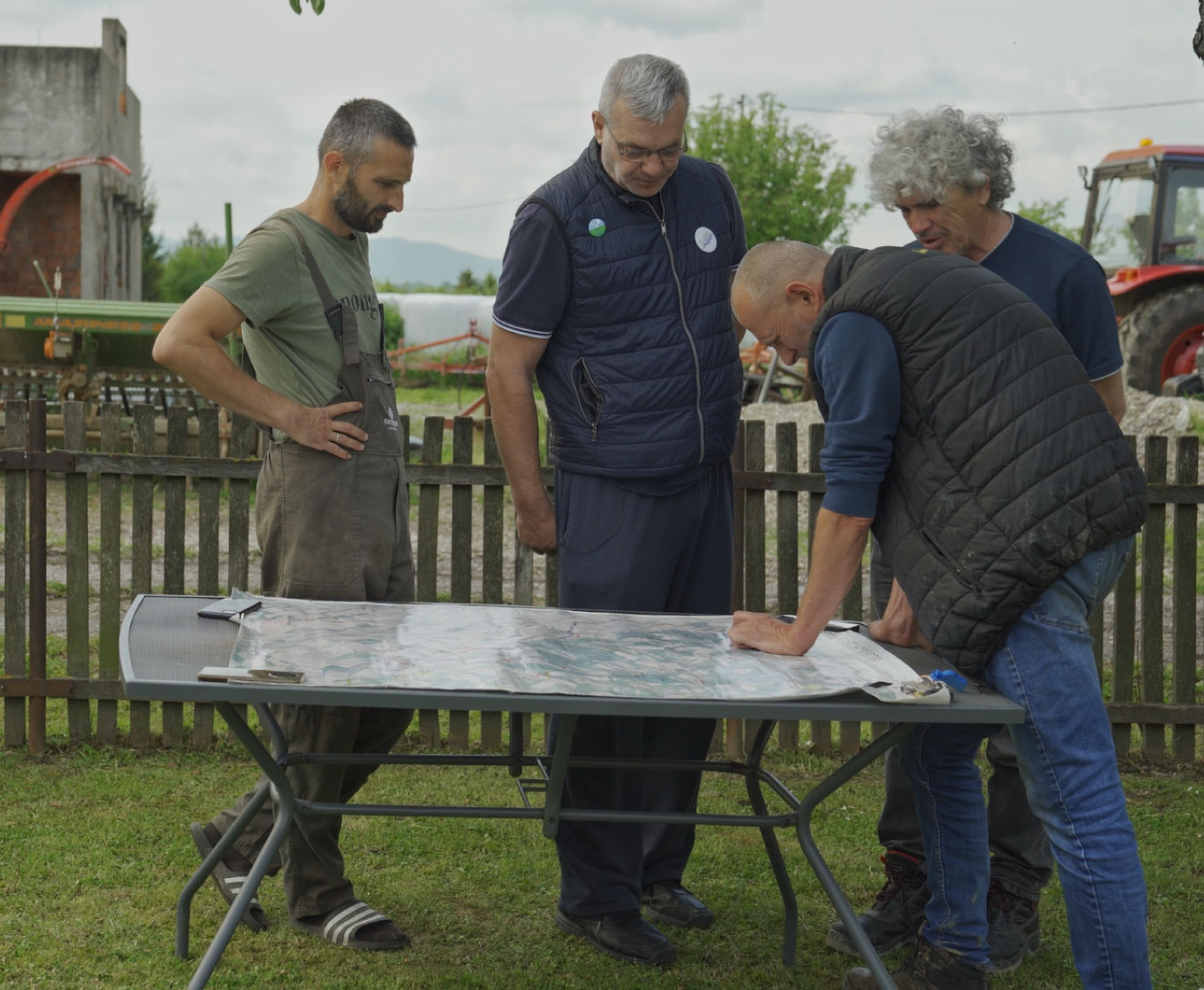
Through Ramón’s connections with international environmental movements, he met Bojana Novakovic in 2022—an actress and activist whose movement successfully stopped Rio Tinto in Serbia. We were immediately drawn to her passion for mobilizing the press. Alongside her friend Vladan Jakovljevic, a local beekeeper whose livelihood was threatened by the mine, they resisted bravely.
The archival images documenting blockades and protests further convinced us of the enormous potential of this documentary—even more so when the protagonists from both countries managed to meet in Portugal in 2023 to learn about other sacrifice zones affected by lithium extraction. There, they consolidated an alliance called the Jadar Declaration, which more and more groups and associations have since joined.
Leyla, Ramón, Bojana, and Vladan opened the doors of their personal lives to us, sharing a desire that mirrors our own: to capture powerful testimonies that reflect the experiences of many brave communities in sacrifice zones. The tenacious spirit of these protagonists makes them living examples of solidarity, self-affirmation, and joy, even in a world that is falling apart.
2024-2025: The vision behind the lens
Directing duo Aline Juárez and Juan Donoso started working in the edition and post-production alongside a team of experts, bringing a unique blend of auteur cinematic sensitivity and rigorous climate communication. Rather than focusing solely on the tragedy of “sacrifice zones,” All We Have Is Us highlights the joy, dignity, traditional dances, and food systems that flourish as acts of resistance. This is a film about communities refusing to be erased, but also an international union for life wanting to leave a legacy for generations to come.
Join us in this journey.
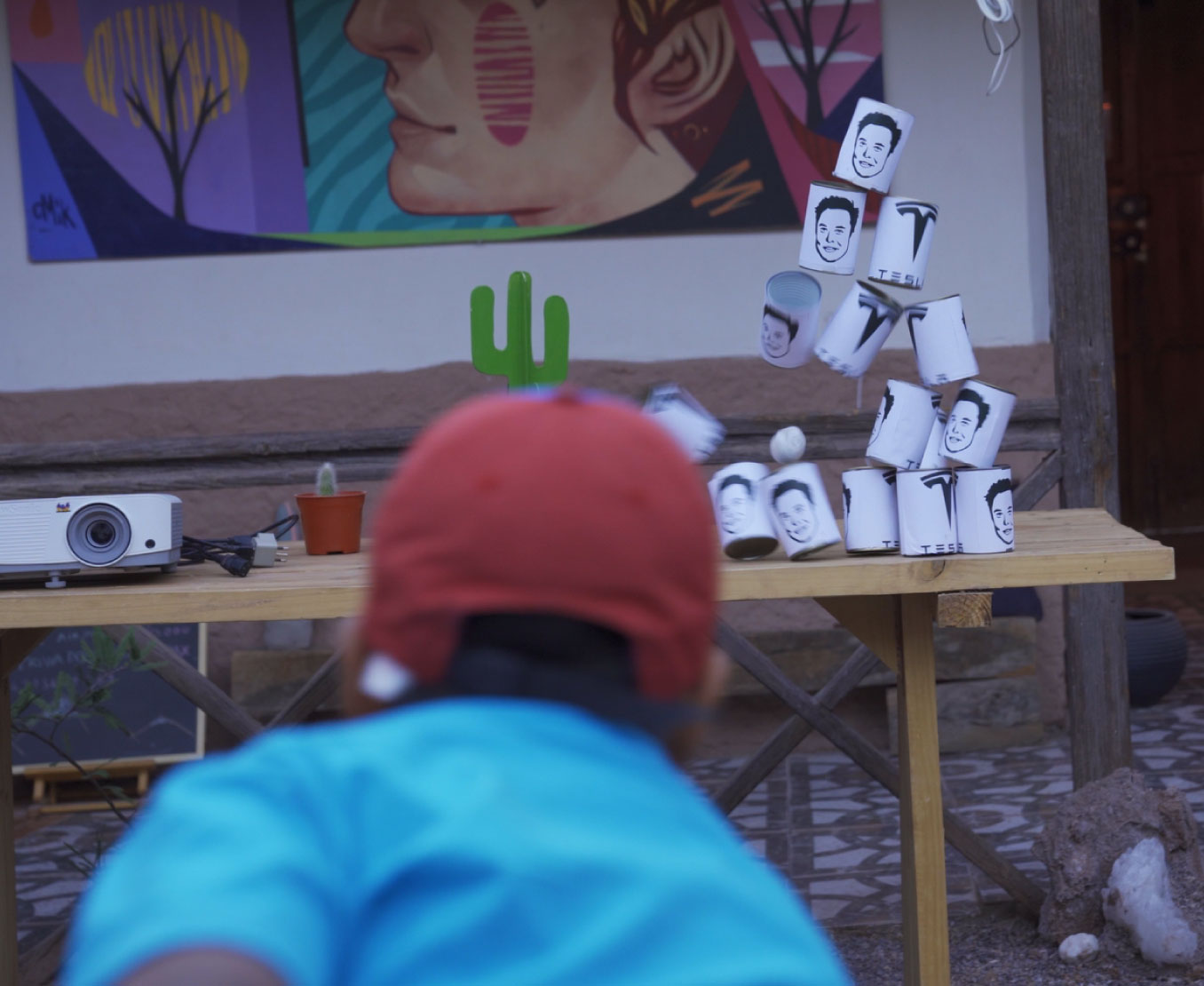
THE PROTAGONISTS
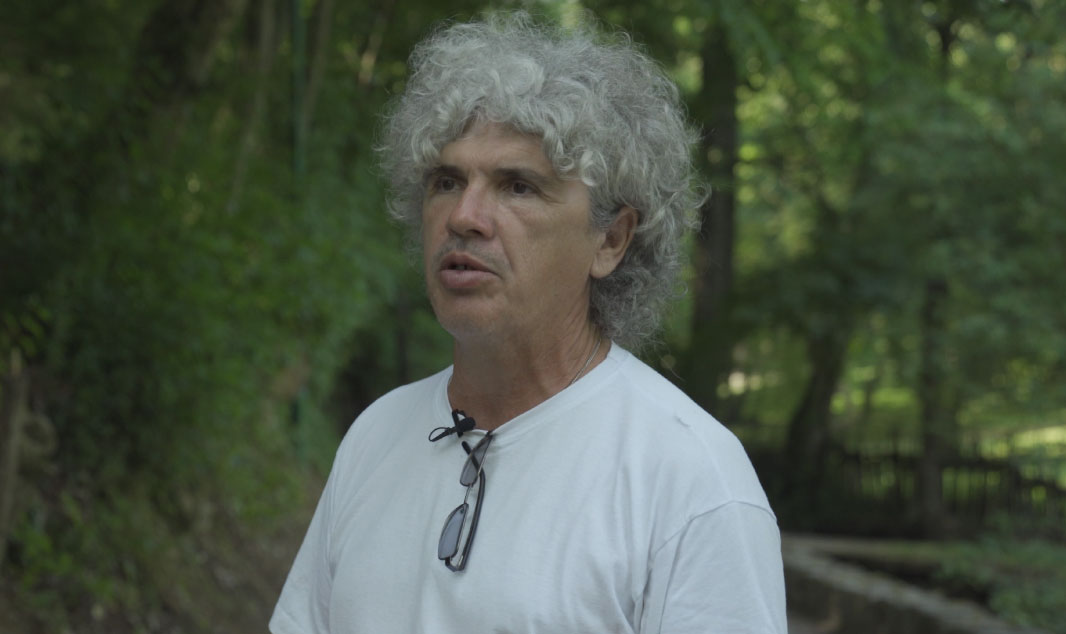
Vladan Jakovljević / Loznica, Serbia
Beekeeper from Jadar Valley and member of Ne Damo Jadar against Rio Tinto.

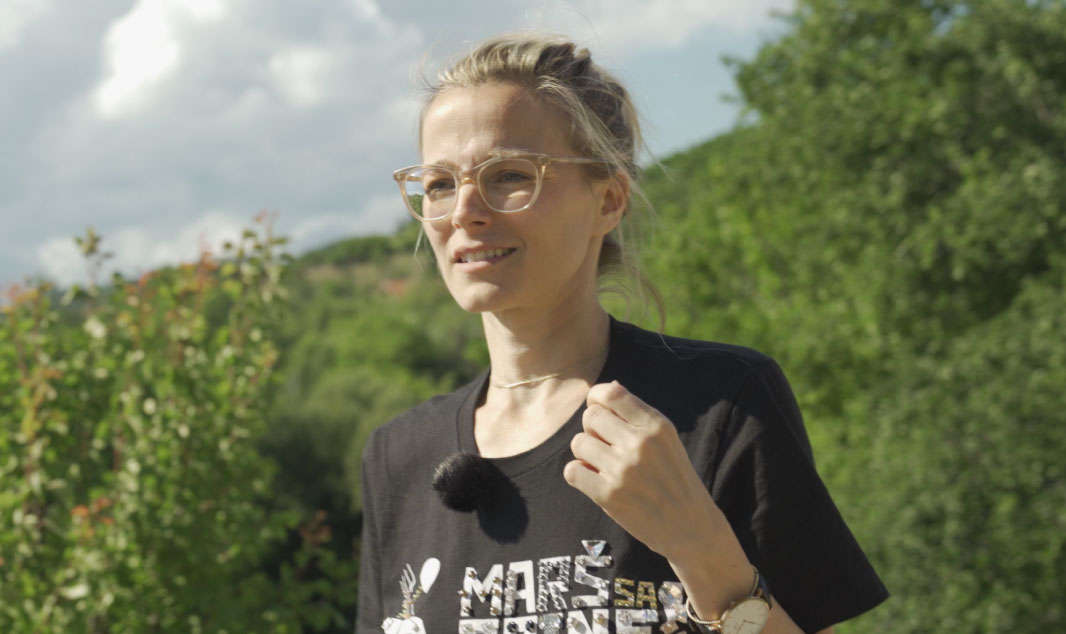
Bojana Novakovic / Gajevi, Serbia
Actress and environmental activist from the Mars Sa Drine resistance movement.
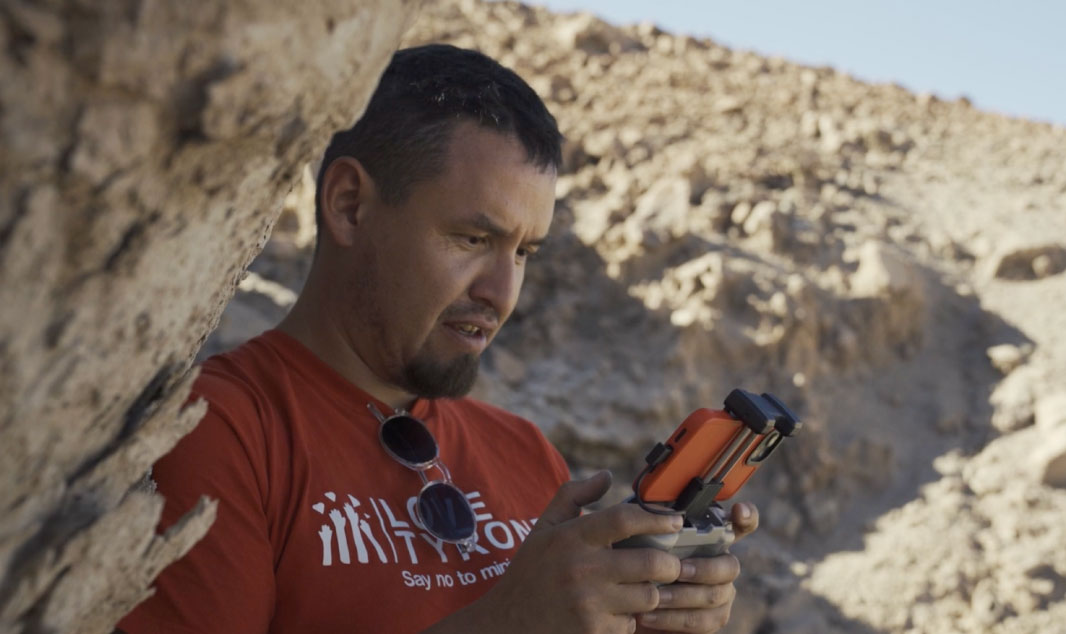
Ramón Balcázar / San Pedro de Atacama, Chile
Researcher, activist and photographer on the defense of wetlands from the Andean Wetlands Alliance.
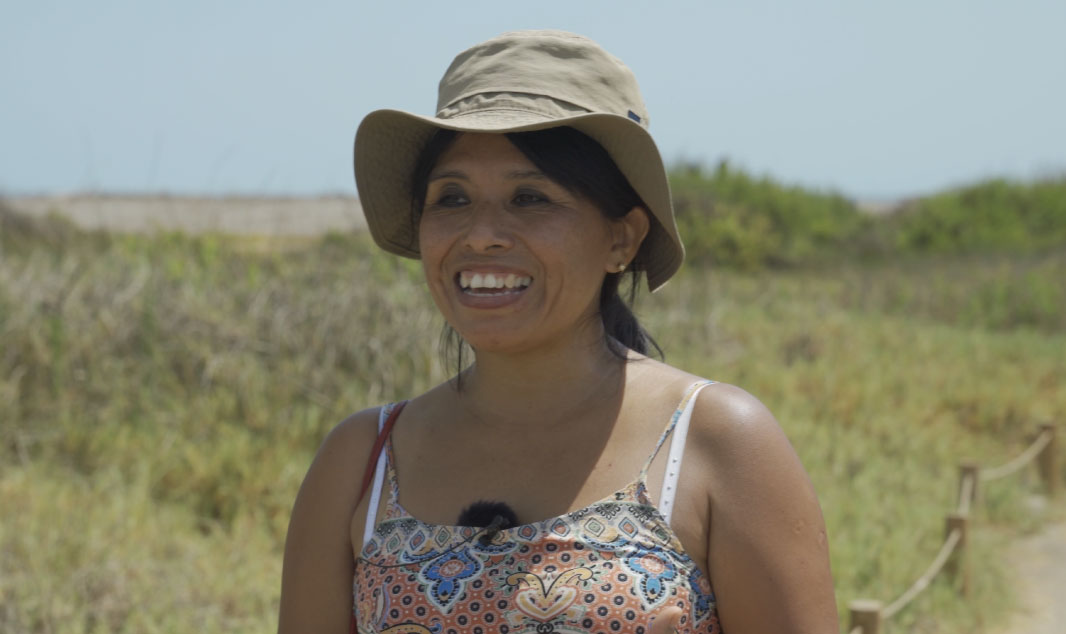
Leyla Noriega / Belén, Chile
Aymara community journalist, defender of Andean territories from Belén says No to Mining.
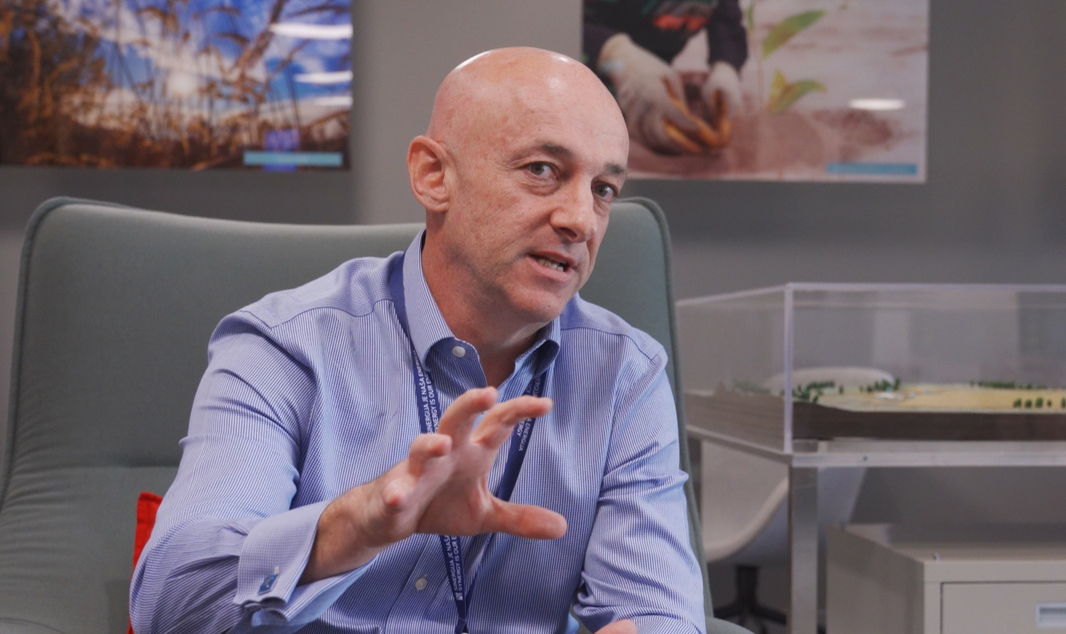
Chad Blewitt / CEO of Rio Sava, subsidiary of Rio Tinto
Chad Blewitt, as a Director of local operations at Rio Tinto in Serbia, provides the essential corporate and institutional counterweight within the documentary.
This film is an invitation to imagine together a different future
Through #AllWeHaveIsUs, we do not seek the binary cliché of exposing the problems and illuminating the possibilities. By showing the struggle of these communities to preserve their territories and cultures, we want to demonstrate that there are more just and sustainable alternatives. This film is an invitation to imagine together a different future, in which development is not in conflict with life, but rather strengthens and celebrates it.