WHY IT MATTERS
Critical minerals are the raw materials powering renewable energy, digital technologies, and increasingly, national security.
As demand grows, decisions made in boardrooms and parliaments are driving mining expansion, reshaping everyday life in communities thousands of kilometers away.
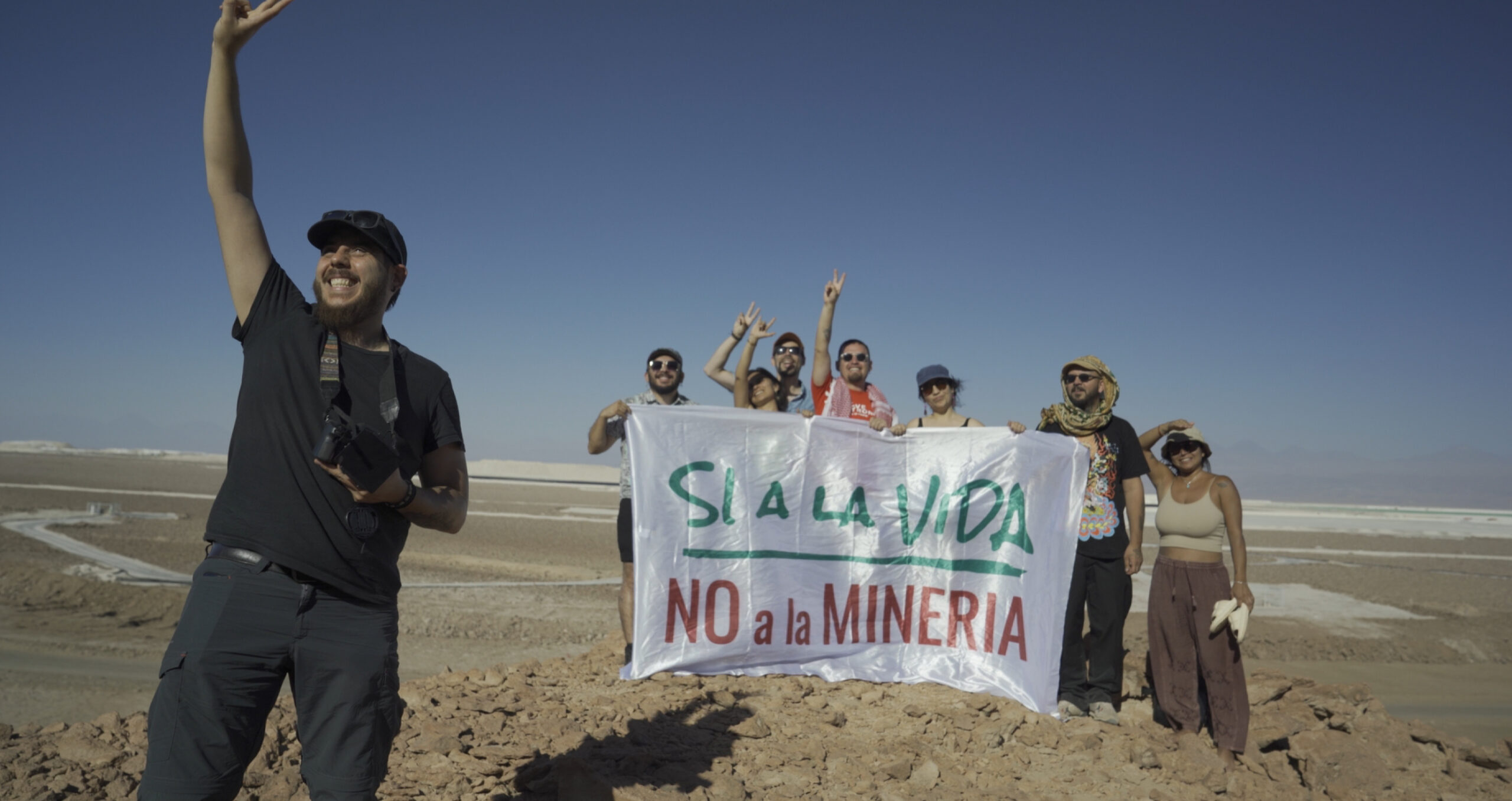
From the Atacama Desert (Chile) to the Jadar Valley (Serbia), communities are facing the environmental and social consequences of this global transformation. From threats to water, biodiversity, and traditional ways of life to questions about who gets a voice in decisions that shape their future. Their stories reveal that what is happening in Chile and Serbia today may soon become the reality for many other communities around the world.
It’s a glimpse of the questions many other communities may soon be asking:
Where do democracy, movement-building, and public awareness stand in all this?
HOW YOU SHOW SOLIDARITY
1
Use your skills for justice
Even if your passions don’t align directly with this film, your talents—whether in art, tech, or hands-on work—can support grassroots movements and justice initiatives. Look for opportunities in related causes.
2
Build cross-movement solidarity
If you’re part of a labor union or grassroots organization, connect with Indigenous, food sovereignty and/or groups to organize joint events or protests, as these are key resistances to extractivism.
3
Push for divestment
Find and mobilize campaigns to pressure banks, pension funds, universities, workplaces, and local governments to withdraw their investments from greenwashing industries like mining and fossil fuels.
4
Call out mining greenwashing
Hold companies like Rio Tinto accountable by using social media to demand transparency and change. Engage them directly on their platforms.
5
Engage in Direct Action
Attend or organize workshops to prepare for resistance against harmful industries through skills like civil disobedience, media engagement, and community defense. Plan peaceful sit-ins or demonstrations at corporate offices, financial institutions, or government buildings to bring public attention to their destructive practices.
6
Lobby for policy change
Advocate for laws that protect communities from extractive industries and prioritize local rights over corporate profits. Push for policies that ensure just energy transitions.
7
Contribute to our impact campaign
Your donations will directly support the fight against destructive mining and amplify the voices of affected communities.
WHAT YOU CAN DO TODAY
-
Host a Screening. Bring the film to your community, organization, festival, or event.
-
Bring It to Your University. Use the film to spark conversation in courses, workshops, or public discussions on sustainability, democracy, human rights, and environmental justice.
-
Organize a Decision Room. Invite policymakers, researchers, investors, or community leaders to take part in an interactive screening focused on real-world decision-making.
-
Connect Us. Introduce us to organizations, educators, movements, festivals, or institutions that could help the campaign grow.
-
Partner With Us. Collaborate on screenings, educational programs, community events, or outreach in your region.
-
Support the Campaign. Help us bring the film to more communities, develop educational resources, and expand the campaign across borders.
-
Become an Ambassador. Share the film and campaign within your own network and help connect more people to the conversation.
-
Stay Connected. Follow the campaign, follow our social media, and help spread the word.
DONATE TO IMPACT CAMPAIGN
Donations via PayPal from Red Leaves for the documentary’s impact campaign.